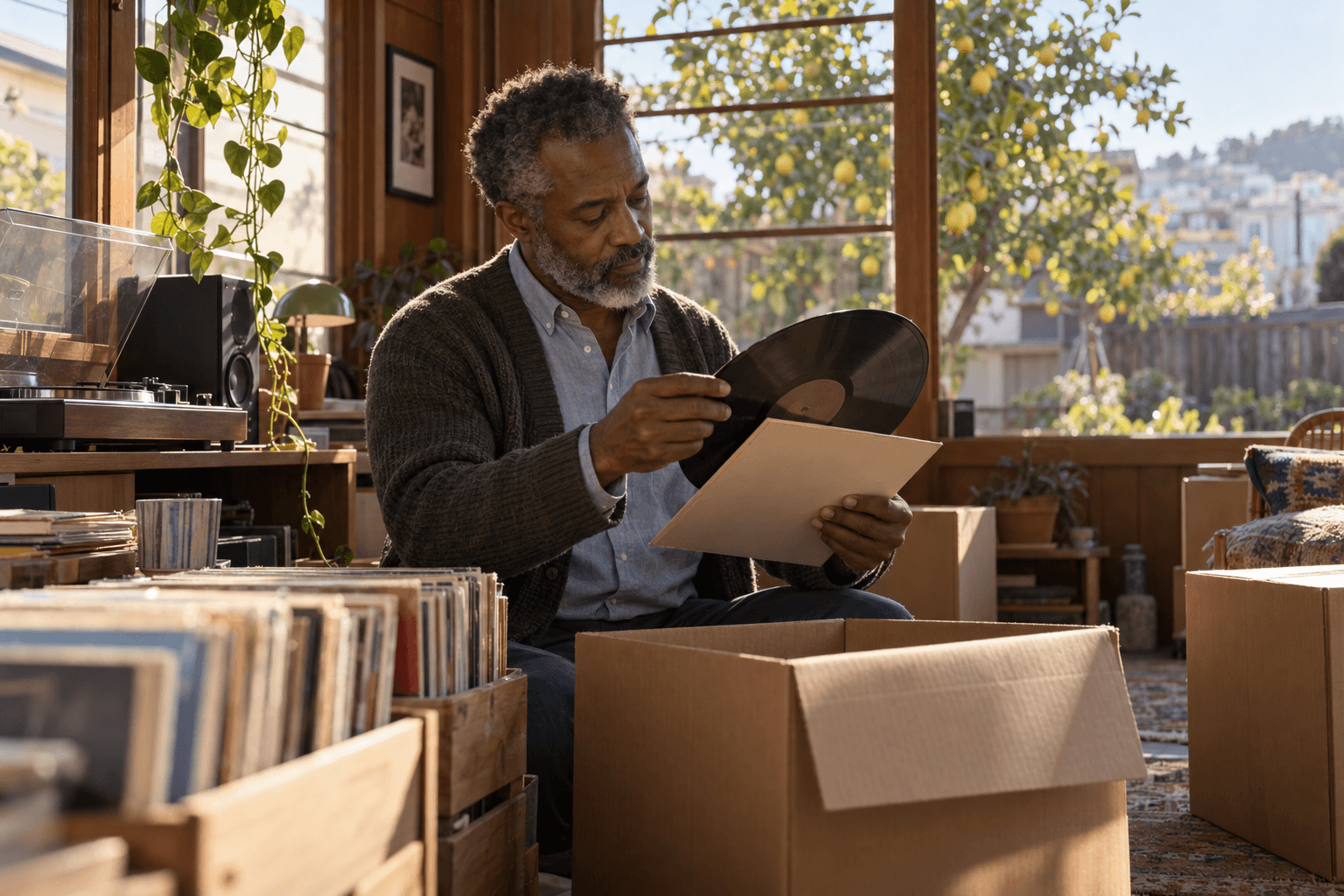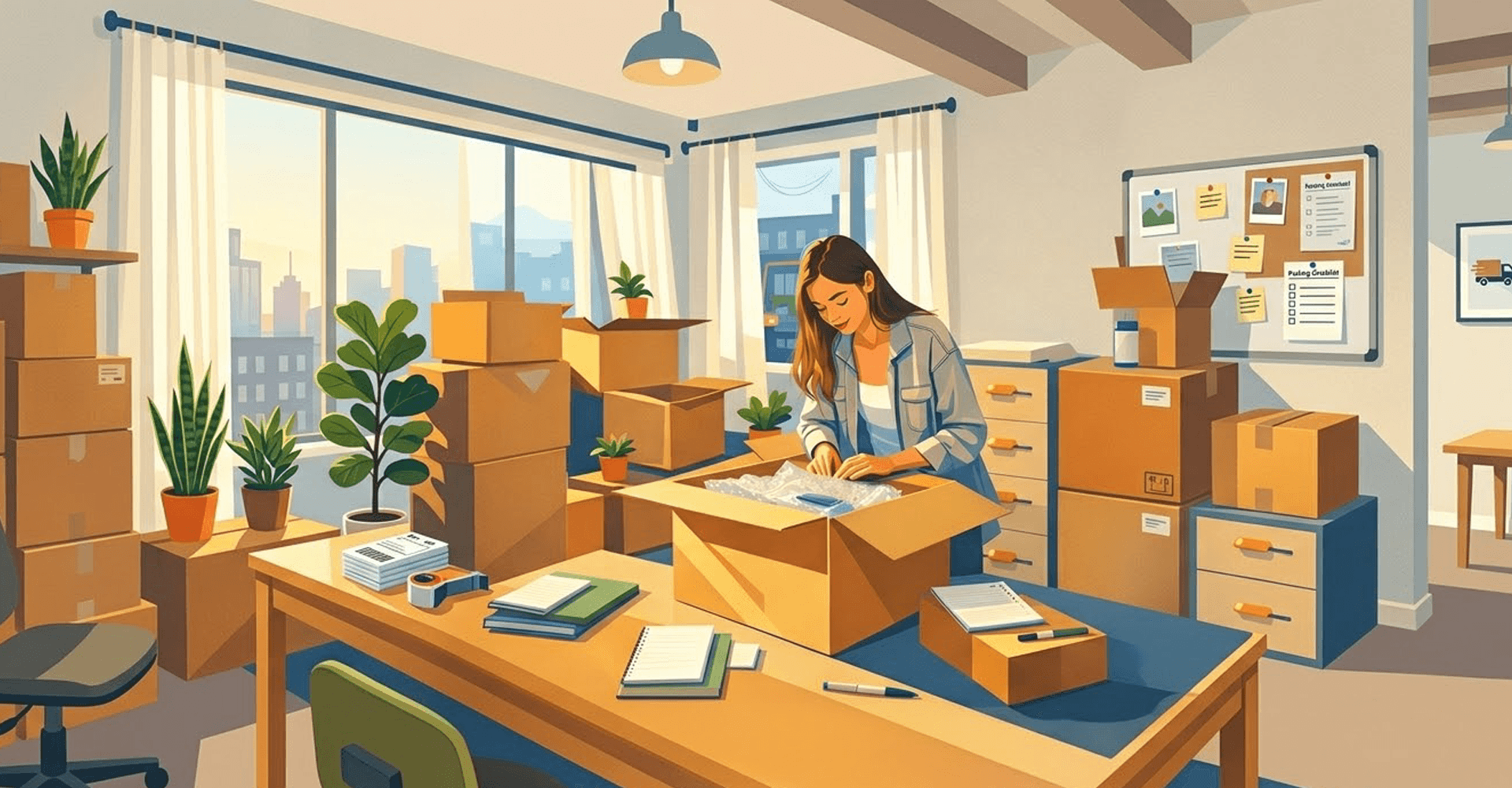
Packing your Boombox container correctly is the single most important thing you can do to protect your belongings during transit and storage. Each container is 5 feet wide by 8 feet long by 8 feet tall with an internal capacity of approximately 257 cubic feet, holding up to 1,000 lbs. A king-size or California king mattress will fit standing up. This guide covers everything you need to know to pack safely and efficiently.
The Four-Tier Loading Strategy
Think of each tier as a wall or stack within the container. This method helps maintain balance and stability during transit. Follow these four steps when loading:
- Organize items into tiers: Start with the heaviest items at the bottom and lighter items on top to maintain balance and stability during transit.
- Load from back to front: Begin at the back of the container and work forward. The base of each tier should be your sturdiest items like dressers or desks.
- Distribute weight evenly: Place heavy items around the base of the container so weight is spread across the floor, not concentrated on one side.
- Fill gaps and protect items: Use soft materials like furniture pads, blankets, and pillows to fill spaces between items, preventing shifts and scratches.
Choosing the Right Box Sizes
Using the right box size for each type of item makes a big difference in how well your container stays packed:
- Small boxes: Ideal for heavy, compact items like books, tools, and small appliances.
- Medium boxes: Best for larger appliances, lamp shades, and mid-weight household items.
- Large boxes: Use for bulky, lighter items like pillows, linens, and comforters. These soft items can also be used to fill gaps in the container.
- Specialty boxes: Use for fragile items such as lamps, mirrors, and framed artwork. Pack dishes and kitchenware in sturdy boxes with extra wrapping.
- Wardrobe boxes: Keep clothing that needs to remain hanging wrinkle-free and protected.
Preparing Your Belongings
Before you start loading, take care of these preparation steps:
- Disassemble furniture as much as you can, especially bed frames and table legs.
- Drain water connections from appliances like mini-fridges and washing machines.
- Label boxes clearly to quickly identify them during unpacking.
- Wrap furniture items in moving blankets and plastic to prevent scratches.
- Measure larger items beforehand to make sure they will fit in the container.
Preventing Items from Shifting
The best way to avoid shifting is to pack your container properly from the start. Place your heaviest items toward the bottom center of the container and distribute weight evenly. Fill any remaining gaps with furniture pads, soft items, or packing materials so there is no room for contents to move. Inside boxes, use bubble wrap, packing peanuts, or packing paper to fill voids and keep items stationary.
Remember: Each container has a strict weight limit of 1,000 lbs. If you have a lot of heavy furniture, split it between multiple containers. Please let us know if you plan on storing heavy items like pallets of books or large furniture pieces.
Protecting Electronics
Electronics require special care. For items like flat-screen TVs, use specialized moving boxes and pad them against cushioned surfaces to prevent damage. Wrap screens with soft blankets or foam padding and store them upright whenever possible. Keep cords bundled and labeled so you can easily reconnect everything later.
Storing Furniture
You can absolutely store furniture in your Boombox. All we ask is that you protect it appropriately and let us know if any single furniture item weighs over 100 lbs. Disassemble larger items such as bed frames and dining tables to save space and reduce the risk of damage during transit. Wrap each piece in moving blankets to prevent scratches.
Items You Cannot Store
For safety reasons, certain items are prohibited from being stored in a Boombox container:
- Weapons, explosives, fireworks, and flammables like gas, oil, kerosene, paint, and lighter fluid.
- Anything alive or that was alive, including food, fruit, meats, cheeses, animals, insects, and bacterial cultures.
- All perishable and non-perishable food items.
- Illegal items such as drugs, drug paraphernalia, or stolen property.
- Hazardous materials, toxic substances, items that produce gas or odors, containers with liquids, or anything that may increase in size or burst.
Need Help Packing?
If you are not confident about packing your container yourself, you can add professional loading help when booking your delivery. Our network of local moving pros are licensed, insured, and experienced at packing containers correctly. They can handle heavy furniture, fragile items, and ensure everything is loaded safely.