
When was the last time you checked the batteries in your flashlight? Yes, the one you use for emergencies, stowed away in your toolbox or junk drawer.
Like many others, we’re guessing it might’ve been a while since you took that flashlight out, let alone inspected its batteries.
If you have a few battery-powered devices you rarely use, chances are you’ve had to deal with mishaps involving old, corroded, leaky batteries. Sometimes even with batteries you just bought—this mostly happens when they were not stored correctly and had sat on the shelves too long.
Here’s how to store batteries at home to avoid such potentially hazardous situations and extend their life.
How Long Do Unused Batteries Last?
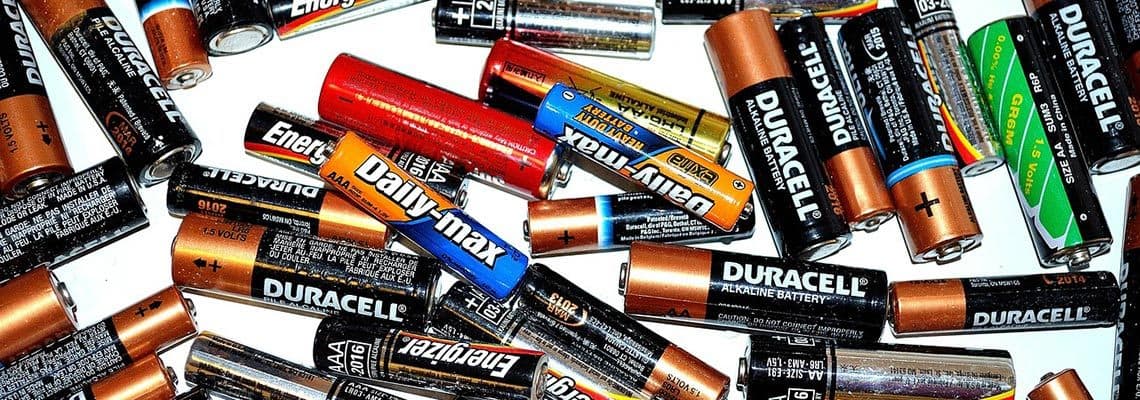
Many people don’t know this, but batteries start to “go bad” immediately after they are made. But the expiration date of a battery is different from food. Going bad simply means losing discharge, meaning you can’t take full advantage of the original battery life after some time.
Batteries have a self-discharge rate when they are not in use, and based on this, manufacturers usually set the expiration date when the battery’s charge is only 80% of what it was before.
Some batteries have a faster discharge rate than others depending on the brand and type of battery. This is because different batteries use different chemical reactions to generate energy. This reaction happens more rapidly and consumes more energy when the battery is powering a device but continues even when the battery is not in use.
Over time, parts of the battery may corrode, leaving it with less charge or unusable.
To figure out how to store batteries to last longer and how long they may last, you use their run time, cycle life, and shelf life:
- Run time refers to how long a battery can last in a single usage. This is usually determined by the device it is powering.
- Cycle life is the number of complete charges and discharges that can be done on a rechargeable battery before it dies. Even your phone’s battery weakens over time as it has a finite number of cycles.
- Shelf life refers to the duration a battery holds its charge when unused on the “shelf.” It is different from the expiration date in that it measures the time until a battery has completely self-discharged.
Though all batteries ultimately lose all charge, different factors affect the above parameters.
So how should you store batteries to ensure the longest shelf life? Let’s find out.
How to Store Batteries: Single-Use
Single-use batteries are made of alkaline, zinc-carbon, lithium, silver oxide, or zinc-air. They come in different formats such as button cells, small-cylinder, 9-volt, and the standard AAA and AA batteries.
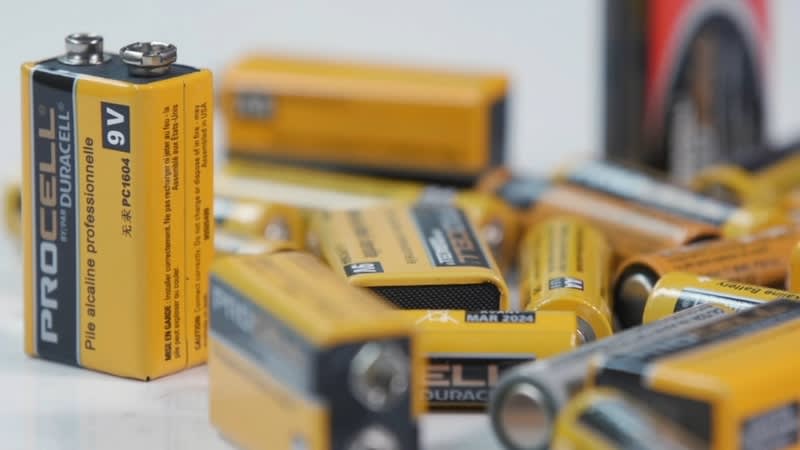
The best way to store AA batteries and other single-use batteries is to:
- Keep them in original packaging: Manufacturers pack batteries to protect them from environmental factors such as humidity, which affects their power. They also ensure the batteries do not come in contact with each other or the terminals in contact with metal objects, both of which can cause a short circuit. The best way to store batteries out of their box is in an airtight plastic container.
- Separate them by make and age: Batteries of different types can react with each other. On the other hand, it is always best to power your devices with batteries of the same age. These usually have the same capacity as they will have discharged at almost the same rate.
- Store them at room temperature or below: Batteries lose their charge quicker at warm temperatures, so storing them in a cool environment is best. Do not put them in your freezer, however.
- Store them in a dry place: Batteries do better in drier environments; thus the best way to keep batteries fresh in a high humid environment is to store them in a vapor-proof container away from condensation, corrosion, or leakage.
- Keep them away from metal: Electrical conduction may occur if your batteries come into contact with metals, causing them to drain quickly or even short-circuit. Do not store your batteries in a metal container or near coins or other metal objects.
Don’t forget to remove the batteries from your devices when they are not in use. It helps them last longer plus protects your device from damage in case of a battery leak or corrosion.
How to Store Batteries: Rechargeable
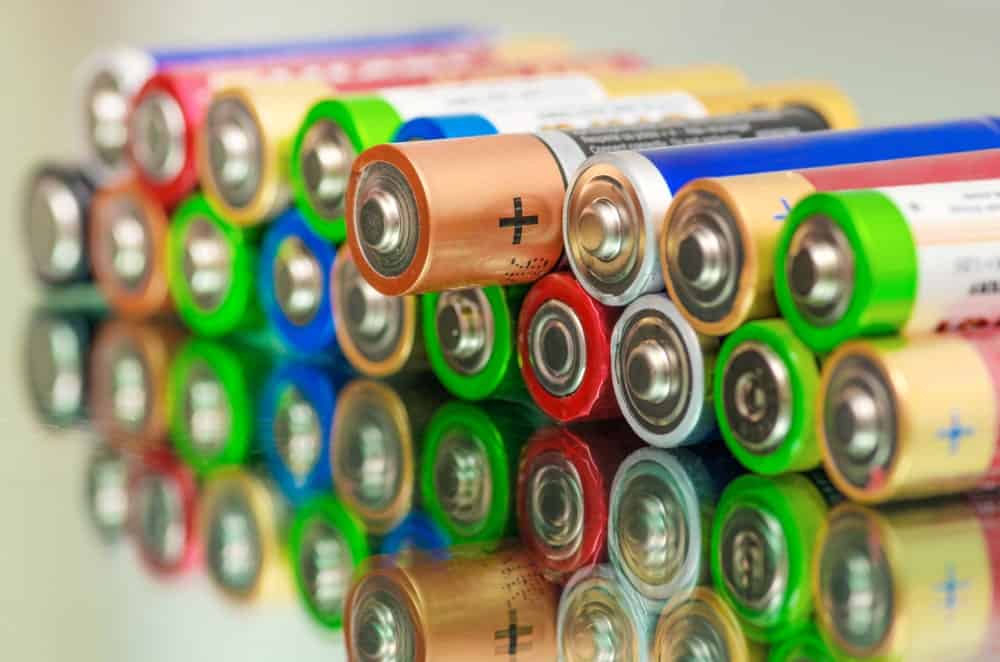
Common rechargeable batteries are made of sealed lead acid, nickel-cadmium (NiCd), nickel-metal hydride, and the standard phone battery technology, lithium-ion (Li-ion).
In addition to the above tips, proper ways to store batteries of this kind include:
- At 40% capacity: Avoid depleting these batteries entirely before storage to keep them in good condition. At a very low charge, lead-acid batteries can cause permanent crystal formation that reduces their capacity. In contrast, lithium-ion batteries can develop copper structures that short the battery, making it dangerous to use.
- Away from valuables: Rechargeable batteries like car batteries can leak acid when stored, so they should be kept away from valuable items and food and water storage areas.
Long Term Storage for Batteries
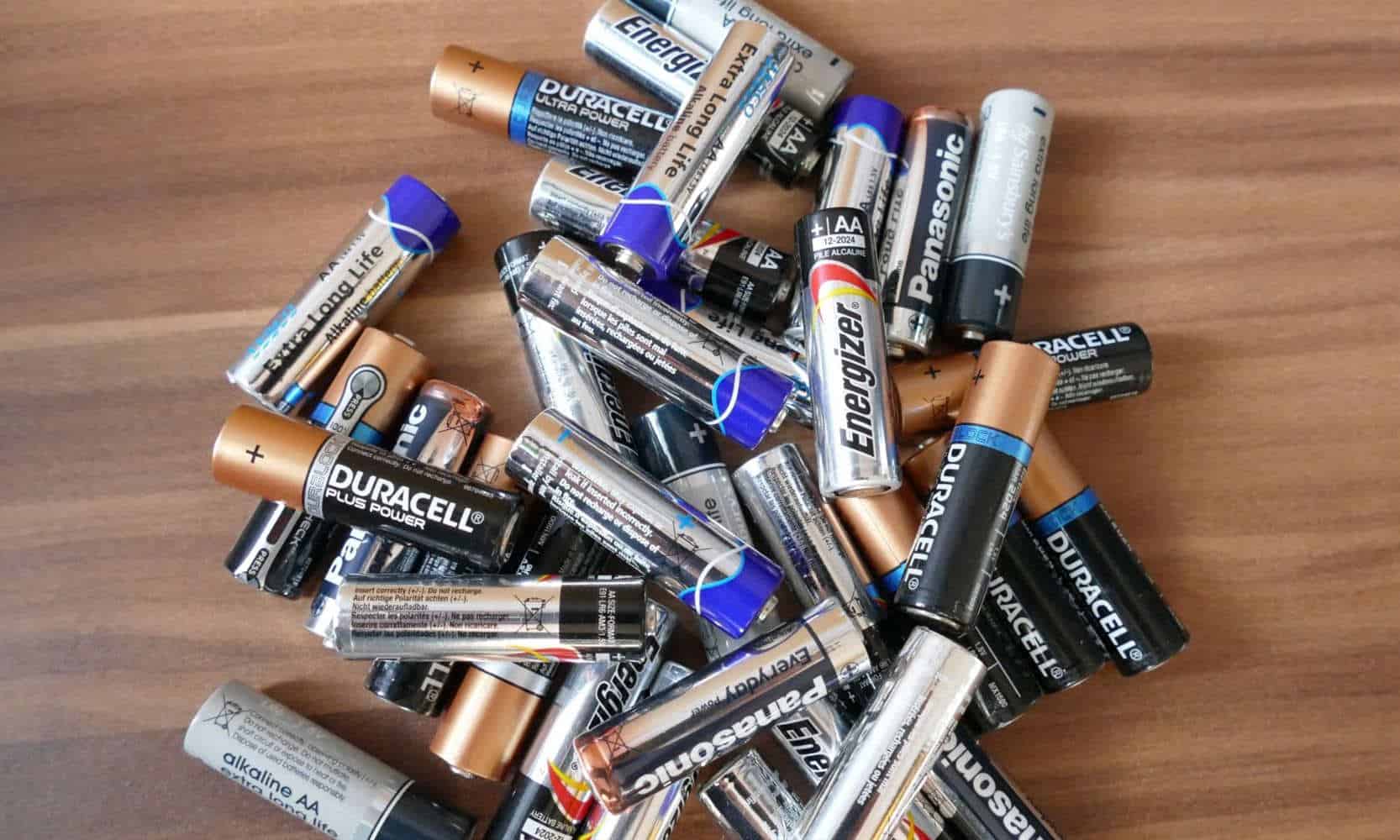
Batteries are sensitive items that should be stored and disposed of with utmost care. But where do you store batteries when you need to keep away your belongings for a long time?
Enter Boombox Storage. We’ll take care of all the organization and storage, ensuring all your items are stored in a cool and secure storage facility.
Like what you read and want more like it? Boombox Storage has many more articles on how to organize a storage unit, just like this one. Click here.